The Science of Glass Packaging: Transforming Your Brand Through Eco-Friendly Glass Bottles
The science of glass packaging offers brands a distinctive pathway to stand out. By embracing sustainable methods, glass bottles improve aesthetic presentation while resonating with environmentally aware consumers. Their inherent qualities, encompassing recyclability and material safety, signify a commitment to quality. As companies move through this changing environment, comprehending the wide-ranging benefits and complexities of glass packaging proves vital for enduring achievement. What innovative strategies are brands employing to maximize these advantages?
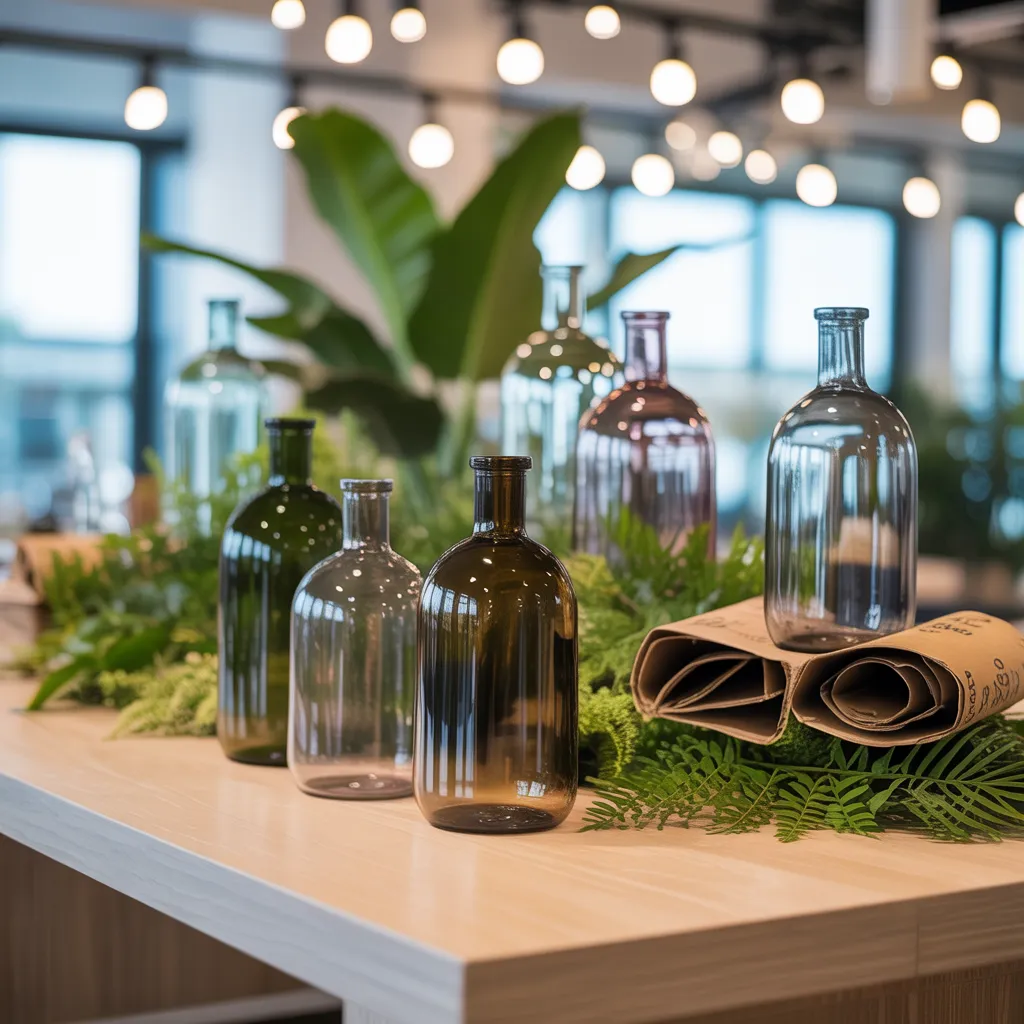
Why Choose Glass Packaging for Your Brand
Opting for glass packaging can greatly enhance a brand's image and sustainability efforts. Businesses that select glass demonstrate a dedication to excellence and high-end consumer experiences, attracting selective buyers who recognize the importance of design and utility. Glass delivers a classic and refined aesthetic, contributing to a brand's visual identity while offering a tactile experience that synthetic materials fail to replicate.
In addition, glass packaging conveys an impression of freshness and protection, as it is free from harmful chemicals often found in plastics. This decision can appeal to eco-aware shoppers who link glass with environmentally sound decisions. Moreover, its durability allows for repeat use, thus solidifying a brand's pledge to environmental responsibility.
In a marketplace placing greater emphasis on ecological responsibility, adopting glass packaging can set a brand apart building consumer loyalty and strengthening brand trust. Ultimately, this calculated move establishes brands as frontrunners in eco-conscious innovation and quality, aligning with contemporary consumer expectations.
The Environmental Advantages of Glass Bottles
Glass containers provide significant environmental benefits that differentiate them from competing packaging solutions. Glass bottles are completely recyclable, promoting a circular economy where materials can be reused indefinitely without loss of quality. This property significantly minimizes the need for raw materials, thus reducing natural resource extraction and energy usage linked to production.
Furthermore, glass packaging is non-reactive, meaning it does not leach harmful chemicals into its contents, ensuring healthier consumption. As opposed to plastic, glass does not promote microplastic pollution, which is a increasing environmental issue.
Glass bottle production similarly results in reduced greenhouse gas emissions in comparison to plastic. As manufacturing processes have advanced, energy efficiency has been greatly enhanced, thereby reducing the environmental impact associated with producing glass.
Creative Designs That Elevate Glass Packaging
Creative designs in glass packaging are revolutionizing how products are perceived. Unique shapes and structures not only enhance functionality but also attract consumer attention. Additionally, eye-catching color palettes further elevate the aesthetic appeal, making glass containers rise above the competition on display.
Exceptional Shapes and Structures
Groundbreaking approaches in glass-based packaging not only enhance aesthetic appeal but also fulfill an important purpose in distinguishing brands from competitors. Original shapes and configurations can create memorable consumer experiences, making products stand out on crowded shelves. As an example, non-symmetrical bottles or structured geometric forms can spark interest and invite engagement. These unconventional forms often align with a brand's identity, reinforcing its message and values. Furthermore, distinctive structures can elevate performance, including better grip or improved dispensing. Organizations that embrace creative glass packaging solutions convey a devotion to craftsmanship and eco-consciousness, attracting environmentally conscious consumers. By prioritizing originality in their packaging, companies can foster deeper connections with their audience, ultimately driving loyalty and enhancing market presence.
Visually Striking Color Palettes
Dynamic color schemes are fundamental in improving glass container aesthetics, converting standard bottles into captivating visual expressions. Through the thoughtful application of carefully selected colors, companies can stir feelings and craft lasting impressions for customers. Vivid hues can communicate exceptional value, while softer tones may convey delicacy and sophistication.
Moreover, the incorporation of multi-toned designs and gradients brings depth and sophistication, capturing attention on busy shelves. Eco-conscious practices additionally boost the appeal; sustainable dyes and finishes appeal to environmentally aware consumers. Ultimately, the perfect color palette not only captures a brand's essence but also underscores its pledge to sustainability, making glass packaging a powerful tool for differentiation in a competitive market.
In What Ways Does Glass Packaging Improve Product Perception?
Glass packaging significantly elevates the perception of products with its premium aesthetic and tactile quality, evoking a feeling of luxury among consumers. The visual transparency and clarity of glass provide a clear and unimpeded view of the contents, solidifying the product's quality appeal. Additionally, using glass aligns with eco-friendly brand positioning, resonating with eco-minded consumers.
Exceptional Feel And Appeal
The use of glass packaging considerably boosts the recognized quality of a product, often associating it with quality and sophistication. Buyers commonly connect glass with premium quality, leading to improved brand commitment and favorable customer interactions. The physical feel of glass, with its refined surface and heft, contributes to a premium feel that plastic fails to reproduce. This experiential connection establishes a bond between the product and the consumer, fostering a perception of excellence. Furthermore, glass packaging demonstrates a dedication to sustainability, attracting environmentally-conscious buyers. Consequently, businesses employing glass containers can establish themselves as superior choices within their markets, drawing selective buyers who appreciate both style and sustainability in their buying choices.
Clear Visual Transparency And Precision
When shoppers come across products in glass packaging, their perception is often enhanced by the natural visual openness and clearness it offers. This openness enables prospective customers to view the contents within, fostering a sense of trust and authenticity. The clarity of glass not only showcases the product's quality but also highlights its color and texture, elevating the overall visual experience. Additionally, the absence of labeling distractions on clear glass allows the product to take center stage, generating a more immersive purchasing journey. Glass vessels can uplift brand standing by expressing a devotion to quality and skill. This visual clarity ultimately influences consumer decisions, fostering a stronger sentimental bond with the product and the company.
Environmentally Conscious Brand Positioning
Environmentally aware brands utilize glass packaging to strengthen their dedication to eco-friendly practices, meaningfully improving the way consumers view their products. Glass projects an image of quality and authenticity, setting a higher standard compared to plastic alternatives. This substance not only underscores the green values of a brand but also attracts buyers who place importance on sustainable options. The tactile experience of glass—its weight and texture—further elevates the perceived value of the product. Additionally, the recyclability of glass aligns with the growing consumer demand for sustainable practices, cultivating customer loyalty. By opting for glass, brands not only demonstrate their commitment to ecological responsibility but also position their products as premium offerings, consequently developing a distinguished presence in a competitive industry.
Success Stories of Brands Using Glass Packaging
Numerous brands are succeeding by transitioning to glass packaging, highlighting its attractiveness to buyers and pledge to sustainable practices. As an example, a well-known beverage company made the switch to glass bottles, producing a 30% increase in sales within a year. The change not only improved product visibility on shelves but also resonated with eco-conscious consumers, solidifying the brand's sustainability message.
Another cosmetic company effectively transitioned to glass containers, greatly elevating its premium image. This shift brought in a dedicated clientele that prioritizes both design quality and sustainable values. Moreover, a specialty beer manufacturer adopted reusable glass growlers, cultivating consumer trust and decreasing environmental impact. These examples demonstrate that glass packaging not only meets customer expectations for sustainable options but also bolsters brand identity and presentation market positioning. Such strategic choices reflect a growing trend among businesses striving to incorporate green principles into their strategies while attracting today's environmentally aware shoppers.
How to Overcome Challenges in Glass Packaging
Navigating the challenges of glass packaging necessitates forward-thinking solutions and a deep understanding of the market. Businesses often face obstacles such as elevated manufacturing expenses, weight-related challenges, and fragility. To overcome these, companies can adopt cutting-edge production methods that lower waste output and enhance durability. Collaborating with suppliers to obtain eco-friendly materials also mitigates ecological footprint while resonating with sustainability-minded consumers.
A further difficulty involves transportation logistics, considering the substantial weight of glass. Adopting intelligent logistics strategies, including optimized shipping methods and packaging designs, can reduce expenses and ensure product protection while in transit. Moreover, raising consumer awareness regarding glass's superiority over plastic can foster brand loyalty and drive demand. By implementing these methods, companies can surmount challenges in glass packaging and distinguish themselves as innovators in eco-friendly practices, ultimately enhancing their brand image and market presence.
The Future of Sustainable Glass Packaging
As the appetite for sustainable packaging solutions expands, the glass packaging industry is set for remarkable evolution. Advancements in production methods are anticipated to improve energy performance, minimizing the carbon emissions tied to glass production. Moreover, the rise of lightweight glass bottle usage will become a defining trend, reducing shipping emissions while preserving product quality.
Recycling efforts will continue to strengthen, with increased collaboration between producers and local governments to improve glass collection and processing. Moreover, the embedding of advanced technology in packaging solutions will allow for greater transparency in the supply chain, allowing businesses to demonstrate their green initiatives with greater effectiveness.
Growing consumer demand for sustainable products will further accelerate the creation of personalized, attractive design solutions, combining utility with striking visual elements. As companies increasingly embrace sustainable practices, the glass packaging industry is poised to transform its strategies, aligning with broader environmental goals and meeting the expectations of a conscientious consumer base.
Common Questions and Answers
What Are the Expenses Linked to Glass Packaging Versus Plastic?
Glass-based packaging commonly involves greater expenses due to manufacturing, shipping, and recycling requirements when compared to plastic alternatives. Nevertheless, it provides sustainability benefits and enhanced brand perception, making it a worthwhile investment for certain companies.
What Are My Options for Customizing Glass Bottles for My Brand?
Businesses are able to personalize glass containers through distinctive shapes, hues, and textures. Custom labels, engravings, and printed artwork elevate brand image. Working alongside manufacturers ensures consistency with environmental objectives all while preserving aesthetic appeal and functionality.
Do Specific Regulations Exist for Glass Packaging?
Indeed, particular regulations for glass packaging are in place, differing across regions. These cover safety standards, labeling requirements, and recycling guidelines, guaranteeing consumer safety and environmental responsibility while encouraging sustainable practices in packaging manufacturing and distribution.
What Are the Top Best Practices for Recycling Glass Bottles?
To recycle glass bottles effectively, individuals should wash them thoroughly to clear out any remaining contents, take off the caps, and separate them by color. Furthermore, they should check local guidelines for specific recycling protocols and drop-off locations to make certain they are processed appropriately.
How Does Glass Packaging Affect Shipping and Logistics?
Glass packaging notably influences shipping operations and logistics by introducing increased weight and fragility, necessitating careful handling and specialized transportation. This often leads to increased expenses and more complicated supply chain operations relative to lighter and sturdier material alternatives.